Reviewed facts, source-backed proposals and documented gaps retain different statuses. Modern references and photographs do not identify exact historical camps. Publication for discussion does not upgrade the underlying research findings.
Scope & questions
An open research dossier of the main march, subsidiary journeys, source testimony and unresolved questions.
- Scope
- Research to do
A proposed main march from Tumbez to Cuzco in 1532–1533, with three subsidiary or returning journeys kept separate.
- Itinerary
- Materials collected
Ten core events and twenty-three additional source-index entries are available for comparison with all seventeen legacy records, including the duplicated Motux entries. Intermediate historical locations remain unresolved.
- Chronology
- Materials collected
Dates retain their supported day, month or year precision. The Motux passage gives four days of rest; its exact arrival date remains unknown. Partial dates do not become invented travel days.
- Sources
- Materials collected
Testimony comes from Xerez and Sancho in English translations: Markham’s 1872 edition, consulted in a 1970 reprint, and Means’s 1917 edition. These are translated witnesses; no original Pizarro manuscript has been authenticated here.
- People and cultural context
- Materials collected
Fourteen linked studies support six scoped regional context sections. Consultation levels, places and periods remain explicit; they do not establish the identities of people encountered at individual stops.
- Images
- Materials collected
Fifteen Commons records include three rejected place matches. One Motupe image has verified local bytes and visual inspection. Other candidates remain item links; all photographs serve modern or regional context.
- Narrative
- Research not started
Seven Motux statements retain their independently reviewed wording. The wider itinerary and cultural contexts remain documented editorial proposals for discussion.
- Review and open questions
- Materials collected
Two bounded tasks have independent reviews: a documented arrival-date gap and a modern photo candidate. Six tasks await work and two depend on an editorial scope decision. No section or journey is certified complete.
These are research states, not percentages of historical completeness. A reviewed task does not certify an entire stage or section.
Itinerary & branches
Ten core events and twenty-three additional source-index entries are available for comparison with all seventeen legacy records, including the duplicated Motux entries. Intermediate historical locations remain unresolved.
The candidate sequence below is presented alongside the published map, whose route has not been replaced by this research edition.
- Proposed stage 1reviewed proposal
Tumbez
Tumbes / Cabeza de Vaca area, Peru
Xerez reports that Pizarro reached Tumbez by sea and found its inhabitants armed. The expedition remained there before beginning its southward march on 16 May 1532. The map uses a modern reference near the archaeological area of Cabeza de Vaca; it does not identify the exact landing or camp.
Approximate modern reference; exact historical site unverified.: -3.601014, -80.491784
1532
The arrival took place before the departure explicitly dated 16 May 1532 in Xerez, p. 20. The checked narrative does not supply a secure arrival month or day. Modern archaeological reference point; precise landing and lodging unverified.
Read the testimony & references
In three days the ships reached the coast at Tumbez, and when the Governor landed, he found that the inhabitants were in arms.
Francisco de Xerez (Xeres) — Reports on the Discovery of Peru, Clements R. Markham translation (1872); scanned Burt Franklin reprint (1970), printed p. 16; PDF page 44 (one-based) · printed p. 16; PDF page 44 (one-based)
Image records: File:Qhapaq ñan tumbes.jpg
- Proposed stage 2reviewed proposal
San Miguel de Tangarara
Tangarará, Chira valley, Peru
Xerez describes the foundation of San Miguel near Tangarara on the Chira River. The town provided a base before Pizarro departed to seek Atahualpa on 24 September 1532. Its modern village marker is distinct from present-day Piura and does not prove the precise location of the 1532 buildings.
Approximate modern reference; exact historical site unverified.: -4.885517, -80.824898
1532
The foundation is recorded in 1532 without an exact day in the checked narrative. The departure is explicitly dated 24 September 1532 in Xerez, p. 25. Modern Tangarará village coordinates are approximate references, not proof of the original town site.
Read the testimony & references
The Governor, with the concurrence of his officers, therefore, established and founded a town in the name of his Majesty.
Francisco de Xerez (Xeres) — Reports on the Discovery of Peru, Clements R. Markham translation (1872); scanned Burt Franklin reprint (1970), printed p. 23; PDF page 51 (one-based) · printed p. 23; PDF page 51 (one-based)
Related scholarship: Fray Antonio de la Calancha y las lenguas de la costa norte del Perú: La cuestión del sec y las lenguas de los tallanes; Los problemas del poder: política local y gobierno en las reducciones de la costa de Piura, siglo XVII
Image records: File:Tangarara.jpg
Regional context: North coast / Tallán
- Proposed stage 3reviewed proposal
the Piura valley
Piura Valley, Piura, Peru
A few days after leaving San Miguel, Pizarro reached a fortress in the Piura valley. Xerez reports ten days of preparations there before the march continued. The map point represents the valley, rather than an independently identified fortress.
1532-09
September is inferred from departure on 24 September and arrival a few days later. Markham’s itinerary gives 27 September, but the wording of the narrative’s day count is not adopted as an exact date here. Valley marker is approximate.
Read the testimony & references
After three more days he arrived at the valley of Piura, and came to a fortress belonging to a chief, where they met a Captain with some Spaniards, who had been to subdue that chief, in order to sent relieve the Chief of San Miguel. The Governor remained there for ten days, making preparations for the march.
Francisco de Xerez (Xeres) — Reports on the Discovery of Peru, Clements R. Markham translation (1872); scanned Burt Franklin reprint (1970), printed p. 25; PDF page 53 (one-based) · printed p. 25; PDF page 53 (one-based)
Related scholarship: Fray Antonio de la Calancha y las lenguas de la costa norte del Perú: La cuestión del sec y las lenguas de los tallanes; Los problemas del poder: política local y gobierno en las reducciones de la costa de Piura, siglo XVII
Image records: File:Río Piura en Piura.jpg
Regional context: North coast / Tallán
- Proposed stage 4reviewed proposal
Motux
Motupe, Lambayeque, Peru
Xerez reports that the Spaniards rested at Motux for four days and that the governor observed an extensive inhabited country with a fertile valley. Markham identifies the place-name with Motupe; the exact historic lodging remains uncertain.
Approximate modern reference; exact historical site unverified.: -6.1517, -79.71485
1532-10
October 1532 follows the itinerary and surrounding narrative; the passage gives a four-day stay without an exact arrival day. Motupe is Markham’s editorial identification. Modern town marker is approximate.
Read the testimony & references
The Spaniards rested at Motux for four days, and, during that time, the Governor saw some portion of the inhabited country belonging to the chief, which appeared to be extensive, and to include a fertile valley.
Francisco de Xerez (Xeres) — Reports on the Discovery of Peru, Clements R. Markham translation (1872); scanned Burt Franklin reprint (1970), printed p. 32; PDF page 60 (one-based) · printed p. 32; PDF page 60 (one-based)
Related scholarship: Vida y muerte en el Perú colonial: inicios de la bioarqueología en Lambayeque histórico (1536–1750 d.C.)
Image records: File:Motupe.jpg
Regional context: Motupe / Lambayeque
- Proposed stage 5reviewed proposal
La Ramada
Jequetepeque valley approach to Cajamarca, Peru
Hernando Pizarro names La Ramada in his account of the approach to Cajamarca. The route then changed from relatively flat country to difficult mountainous passes. Its association with the Jequetepeque valley is Markham’s later editorial identification; the map point is a regional approximation.
1532-11
November 1532 is reconstructed from the sequence shortly before the explicitly dated 15 November arrival at Cajamarca. The editor’s itinerary gives 10 November for the ascent; the cited primary passage itself is undated. Exact La Ramada site and this regional map point remain unverified.
Read the testimony & references
The Governor continued his march until he came to a town called La Ramada.
Hernando Pizarro, letter to the Royal Audience of Santo Domingo (November 1533) — Reports on the Discovery of Peru, Clements R. Markham translation (1872); scanned Burt Franklin reprint (1970), printed p. 114; PDF page 142 (one-based) · printed p. 114; PDF page 142 (one-based)
Related scholarship: Vida y muerte en el Perú colonial: inicios de la bioarqueología en Lambayeque histórico (1536–1750 d.C.); El reino de Cuismancu: orígenes y transformación en el Tawantinsuyu; Contactos y fronteras de lenguas en la Cajamarca prehispánica
Image records: File:RIO JEQUETEPEQUE.jpg
Regional context: Cajamarca / Caxamarca
- Proposed stage 6reviewed proposal
Caxamalca (Cassamarca)
Cajamarca, Peru
Xerez dates Pizarro’s arrival at Cajamarca to the hour of vespers on 15 November 1532. He describes Atahualpa’s camp nearby and the Spaniards occupying the town’s open square. This records the governor’s arrival, before the capture of Atahualpa the following day.
Approximate modern reference; exact historical site unverified.: -7.1575, -78.5175
1532-11-15
Exact arrival date given by Xerez, p. 44. Caxamalca, Cassamarca and Cajamarca are variant names in these editions; the map point is a modern city reference.
Read the testimony & references
On reaching the entrance to Caxamalca, they saw the camp of Atabaliba at a distance of a league, in the skirts of the mountains.
Francisco de Xerez (Xeres) — Reports on the Discovery of Peru, Clements R. Markham translation (1872); scanned Burt Franklin reprint (1970), printed p. 44; PDF page 72 (one-based) · printed p. 44; PDF page 72 (one-based)
Related scholarship: El reino de Cuismancu: orígenes y transformación en el Tawantinsuyu; Contactos y fronteras de lenguas en la Cajamarca prehispánica
Image records: File:Catedral de Cajamarca des de la Plaza de Armas02.jpg
Regional context: Cajamarca / Caxamarca
- Proposed stage 7reviewed proposal
Caxamalca
Cajamarca, Peru
Pedro Sancho’s certification, dated 17 June 1533 at Cajamarca, records the accounting and distribution of the gold and silver collected as ransom. This is a later event at the same city, rather than a new arrival or a separate leg of the march.
Approximate modern reference; exact historical site unverified.: -7.1575, -78.5175
1533-06-17
Exact date of a certification and city event, not an arrival. The extraction reads “1 7th”; the underlying printed page supplies the document date. The same city point is repeated to keep the event in chronological order.
Read the testimony & references
In the town of Caxamalca, of these kingdoms of New Cas- tille, on the 1 7th day of the month of June, in the year of the birth of our Lord Jesus Christ, 1533,
Pedro Sancho, certification of the ransom distribution — Reports on the Discovery of Peru, Clements R. Markham translation (1872); scanned Burt Franklin reprint (1970), printed p. 131; PDF page 159 (one-based) · printed p. 131; PDF page 159 (one-based)
Related scholarship: El reino de Cuismancu: orígenes y transformación en el Tawantinsuyu; Contactos y fronteras de lenguas en la Cajamarca prehispánica
Image records: File:Cuarto del Rescate - Linea límite del Rescate - Cajamarca.jpg
Regional context: Cajamarca / Caxamarca
- Proposed stage 8reviewed proposal
Xauxa
Jauja, Junín, Peru
Sancho describes Pizarro and his horsemen entering Xauxa during the main march toward Cuzco in 1533. The governor remained to guard the town while other captains pursued forces across the river. This stage is distinct from earlier emissaries travelling through Xauxa and from Markham’s note about Huascar.
Approximate modern reference; exact historical site unverified.: -11.775, -75.5
1533
Sancho, Chapters III–IV, attests the main expedition’s arrival in 1533 before the final advance on Cuzco. No exact month or day is stated in this selected primary passage; the former August date is not retained. Modern city marker is approximate.
Read the testimony & references
This having been heard, the Spaniards set spur to their horses, and, without delay, arrived at the city and entered it; and when they joined their companions, the latter told them what had occurred with those Indians.
Pedro Sancho — An Account of the Conquest of Peru, Philip Ainsworth Means translation (1917); Sancho narrative completed 1534, Chapter IV; local lines 652–655 · Chapter IV; local lines 652–655
Related scholarship: Empire and Domestic Economy; Ethnoarchaeology and Contemporary Domestic Economy in the Mantaro Valley; El antiguo «Reino Huanca»: deslindes y alcances sobre un mito en la historia prehispánica del Valle del Mantaro
Image records: File:Plaza de armas Jauja 01.jpg
Regional context: Xauxa / Mantaro
- Proposed stage 9reviewed proposal
Bilcas (Vilcas)
Vilcashuamán area, Ayacucho, Peru
Sancho reports Pizarro entering Bilcas early in the day and staying there rather than continuing immediately. His narrative places the stop between Xauxa and Cuzco. The name is associated with Vilcashuamán by later editorial identification; the passage does not state an exact calendar date.
Approximate modern reference; exact historical site unverified.: -13.65311, -73.95396
1533
Sancho, Chapter VIII, places the stop between Xauxa and the 15 November 1533 arrival at Cuzco. Neither the former October date nor a proposed 4 November date is established in this passage. Modern Vilcashuamán marker is approximate.
Read the testimony & references
and in this way he set out for Bilcas which he entered very early the following day, and on that day he did not wish to go further.
Pedro Sancho — An Account of the Conquest of Peru, Philip Ainsworth Means translation (1917); Sancho narrative completed 1534, Chapter VIII; local lines 1103–1105 · Chapter VIII; local lines 1103–1105
Related scholarship: Arqueología y etnohistoria en Vilcashuamán; Advenedizos y traspuestos: los mitmaquna o mitimaes de Vilcashuamán en su tránsito de los tiempos del Inka al de los «Señores de los mares»; Chancas e Incas: un nuevo examen; The Chanka: Archaeological Research in Andahuaylas (Apurimac), Peru
Image records: File:Vilcashuaman ruins and main plaza.jpg
Regional context: Vilcas / Vilcashuamán
- Proposed stage 10reviewed proposal
Cuzco
Cusco, Peru
Sancho dates the entry of the governor and his troops into Cuzco to high mass on 15 November 1533. The Spaniards lodged around the city’s plaza. This is the main expedition’s arrival, rather than the earlier report made by messengers sent to collect gold.
Approximate modern reference; exact historical site unverified.: -13.516944444444444, -71.9786111111111
1533-11-15
Exact arrival date given by Sancho, Chapter XI: 15 November 1533. This replaces a quotation about an earlier envoy report. The map point is a modern city reference.
Read the testimony & references
In this way the Governor and his troops entered that great city of Cuzco without any other resistance or battle on Friday, at the hour of high mass, on the fifteenth day of the month of November of the year of the birth of our Saviour and Redeemer Jesus Christ MDXXXIII.
Pedro Sancho — An Account of the Conquest of Peru, Philip Ainsworth Means translation (1917); Sancho narrative completed 1534, Chapter XI; local lines 1513–1517 · Chapter XI; local lines 1513–1517
Related scholarship: To be Quechua: the symbolism of coca chewing in highland Peru
Image records: File:La Catedral, en Plaza de Armas del Cuzco - panoramio.jpg
Regional context: Cusco region — explicitly later ethnographic comparison
23 intermediate places & unresolved route connections
Their appearance in a source does not automatically make them stops on Francisco Pizarro’s main march.
Puechio / Turicarami river
source indexed proposalNamed place in the account of the Governor’s main journey
After the expressly dated Tumbez departure of 16 May 1532 and before San Miguel departure of 24 September 1532. Relative travel-day counts occur in Xerez; no calendar arrival day is assigned.
- Do not map the vanished village onto a modern town without independent site evidence.
- Tumbez → Puechio → chief Lachira’s place → San Miguel
- Historical coordinates remain unverified; this is not a mapped daily camp.
Translated historical narrative
Having arrived at the river, which is called Turi- carami, 6 he formed his camp in a large village called Pue- chio, 7 and all the chiefs who lived on the lower course of the river came to the Governor to make their peace, while the inhabitants of the village came out to meet him.
20 printed page; 48 PDF page; 1824 first line; 1828 last line
Translator’s later annotation
• This is the river Chira. T See my translation of Cieza de Leon, p. 213. He calls the place Pocheos. Garcilasso de la Vega has Puchiu, ii, p. 424.
20 printed page; 48 PDF page; 1848 first line; 1851 last line
Pabor’s walled court
source indexed proposalNamed place in the account of the Governor’s main journey
After the expressly dated San Miguel departure of 24 September 1532 and before the expressly dated Cajamarca arrival of 15 November 1532. Exact October dates in Markham’s itinerary are editorial, not direct calendar dates in this quoted narrative.
- Pabor is explicitly a chief’s name; this names his lodging complex, not proof of a town formally named Pabor.
- Piura valley → Pabor court → Qaran/Zaran
- Historical coordinates remain unverified; this is not a mapped daily camp.
Translated historical narrative
Having made all necessary arrangements, he set out with his troops, and, after marching until noon, he arrived at a large court, surrounded by walls, belonging to a chief named Pabor. The Governor and his troops lodged there.
26 printed page; 54 PDF page; 2061 first line; 2064 last line
Qaran / Zaran
source indexed proposalNamed place in the account of the Governor’s main journey
After the expressly dated San Miguel departure of 24 September 1532 and before the expressly dated Cajamarca arrival of 15 November 1532. Exact October dates in Markham’s itinerary are editorial, not direct calendar dates in this quoted narrative.
- The passage contains an arrival at a fortress, followed next day by a camp in Qaran. Do not count Caxas or Gicabamba as Francisco’s visits.
- Pabor → Qaran/Zaran; Governor waits while Soto visits Caxas and Gicabamba
- Historical coordinates remain unverified; this is not a mapped daily camp.
Translated historical narrative
On that day the Captain departed. The next day the Governor set out, and reached a town called Qaran, 6 where he waited for the Captain who had gone to Caxas. The chief of the town brought the Governor supplies of sheep and other things, to a fortress at which the Governor arrived at noon. Next day he left the fortress and came to the town of Qaran, where he ordered his camp to be formed, to wait for the Captain who had gone to Caxas.
27 printed page; 55 PDF page; 2089 first line; 2096 last line
Translator’s later annotation
Zaran, still in the Piura valley. T
27 printed page; 55 PDF page; 2123 first line; 2123 last line
Desert crossing and abandoned Copiz enclosure
source indexed proposalUnnamed passages in the account of the main journey
After the expressly dated San Miguel departure of 24 September 1532 and before the expressly dated Cajamarca arrival of 15 November 1532. Exact October dates in Markham’s itinerary are editorial, not direct calendar dates in this quoted narrative.
- The desert name Sechura is editorial. Xerez attests arrival at a fortress belonging to the lord of nearby Copiz; he does not say that Francisco entered Copiz village.
- Qaran/Zaran → three-day dry crossing → abandoned enclosure owned by Copiz’s lord → Motux
- Historical coordinates remain unverified; this is not a mapped daily camp.
Translated historical narrative
As soon as the Governor had despatched his messengers to the town of San Miguel, he set out, and marched for three days without finding a village or any water, except at one small spring where it could only be got at with difficulty. 6 At the end of three days he arrived at a large walled enclosure where no inhabitants were found. It proved to belong to the Lord of a village called Copiz, in an adjacent valley, and that fortress was abandoned be- cause there was no water.
31 printed page; 59 PDF page; 2274 first line; 2282 last line
Translator’s later annotation
He was crossing the vast sandy desert of Sechura.
31 printed page; 59 PDF page; 2295 first line; 2295 last line
Cinto fortress and river crossing
source indexed proposalNamed place in the account of the Governor’s main journey
After the expressly dated San Miguel departure of 24 September 1532 and before the expressly dated Cajamarca arrival of 15 November 1532. Exact October dates in Markham’s itinerary are editorial, not direct calendar dates in this quoted narrative.
- Hernando swims ahead, but Francisco subsequently crosses with the army and lodges in the fortress. Cinto also names the absent chief, and Markham identifies the valley.
- Motux → intervening valleys → river crossing / Cinto fortress → La Ramada
- Historical coordinates remain unverified; this is not a mapped daily camp.
Translated historical narrative
Then the Governor ordered trees to be cut down on both sides of the river, on which the troops and baggage might pass. Three rafts were constructed, on which the men continued to cross over during the whole day, the horses swimming. In all this the Governor worked hard, until the army had crossed. He then went over, and lodged in the fortress where the Captain was.
34 printed page; 62 PDF page; 2393 first line; 2400 last line
Translated historical narrative
The Chief of that village and fortress where the Governor lodged, was called Cinto, 3 and he was then with Atabaliba. Here the Governor and his troops rested during four days,
34 printed page; 62 PDF page; 2415 first line; 2419 last line
Translator’s later annotation
« This was the valley of Cinto. See Cieza de Leon, p. 240. Lorente identifies the river with that of Leche.
33 printed page; 61 PDF page; 2386 first line; 2387 last line
Unnamed Andean ascent and lodgings
source indexed proposalUnnamed passages in the account of the main journey
After La Ramada and before 15 November 1532; overnight on the last plain immediately precedes Cajamarca arrival, giving 14 November only as a relative inference. Other calendar days remain unassigned.
- This requested gap is a group of at least six distinguishable passage/lodging episodes, not a single named or geolocatable waypoint. No invented names or positions.
- La Ramada → hilltop fort → unnamed walled village → summit plain by springs → valley villages → Atabaliba’s unnamed village → plain before Cajamarca
- Historical coordinates remain unverified; this is not a mapped daily camp.
Translated historical narrative
as to what he was to do. Having made these arrangements, the Governor commenced the ascent. The horsemen led their horses up until, at noon, they reached a pallisaded fort on the top of a hill, in a narrow part of the road where, with few Christians, the way might be made good against a great army. It was so steep that, in places, they had to ascend by steps, and there was no other place but the road by which the ascent could be effected. This pass was ascended without its being defended by anyone. The for- tress was surrounded by stone walls, and was built on a hill with declivitous rocks on all sides. Here the Governor stopped to rest and have some food.
37 printed page; 65 PDF page; 2521 first line; 2534 last line
Translated historical narrative
Thence the Governor went to sleep at a village, and sent a messenger to the forces in his rear, with the news that they might safely advance through the pass, and with orders that they were to push on, so as to pass the night at the fortress. The Governor lodged that night at a village, in a strong house surrounded by a masonry wall, as extensive as a fort of Spain, with its doorways.
37 printed page; 65 PDF page; 2536 first line; 2543 last line
Translated historical narrative
The next morning the Governor marched with his troops, still ascending the mountains, and stopped on a plain on the summit, near some springs of water, to wait for those who were still be- hind.
38 printed page; 66 PDF page; 2569 first line; 2573 last line
Translated historical narrative
The Governor dismissed them.The next morning he continued the march, still over the moun- tains, and that night he slept at some villages he came to, in a valley.
41 printed page; 69 PDF page; 2696 first line; 2700 last line
Translated historical narrative
Next morning the Governor started, his way leading over the mountains as before, and he reached a village of Ataba- liba, where he rested for one day.
41 printed page; 69 PDF page; 2723 first line; 2725 last line
Translated historical narrative
Next day the Governor departed, and slept on a plain, intending to reach Caxamalca at noon the day after, as they told him it was near.
44 printed page; 72 PDF page; 2824 first line; 2826 last line
Guamachucho
source indexed proposalNamed place in the account of the Governor’s main journey
Sancho’s 1533 main march from Cajamarca toward Xauxa, before the later Xauxa-to-Cuzco stages and the expressly dated Cuzco arrival of 15 November 1533. The quoted passage gives relative days or distances, not a calendar arrival date.
- Distinct from Huancabamba in Soto’s northern branch. Two days of rest follow.
- Cajamarca → unnamed riverside halt → Guamachucho → erroneous Caxamalca / Adalmach candidate
- Historical coordinates remain unverified; this is not a mapped daily camp.
Translated historical narrative
The next day the Governor set out from that place, and, by his marches, arrived in the land of Guamachucho, eighteen leagues from Caxamalca.
Adalmach / erroneous second Caxamalca
source indexed proposalPlace associated with the main route by editorial annotation
Sancho’s 1533 main march from Cajamarca toward Xauxa, before the later Xauxa-to-Cuzco stages and the expressly dated Cuzco arrival of 15 November 1533. The quoted passage gives relative days or distances, not a calendar arrival date.
- Adalmach appears only in the chapter synopsis; narrative says Caxamalca again, and Means calls it a mistake. Do not silently substitute Andamarca into a source quotation or declare a modern identity proved.
- After Guamachucho and before Puerto de Nevado; synopsis and body spellings do not agree
- Historical coordinates remain unverified; this is not a mapped daily camp.
chapter synopsis
Afterwards they passed through the land of Guamachucho,[14] Adalmach,[15] Guaiglia,[16] Puerto Nevado, and Capo Tombo,[17] and they hear that in Tarma many Indian warriors are waiting to attack them, on account of which they take Calichuchima prisoner, and then proceed intrepidly on their journey to Cachamarca,[18] where they
Translated historical narrative
Having rested there two days, he set out for Caxamalca[21] nine leagues ahead, and arrived there in three days, and rested four in order that his troops might have repose and opportunity to collect supplies for the march to Guaiglia, twenty leagues from there.
Guaiglia
source indexed proposalNamed place in the account of the Governor’s main journey
Sancho’s 1533 main march from Cajamarca toward Xauxa, before the later Xauxa-to-Cuzco stages and the expressly dated Cuzco arrival of 15 November 1533. The quoted passage gives relative days or distances, not a calendar arrival date.
- The narrative sequence puts Puerto de Nevado before Guaiglia, although the chapter synopsis lists the names differently. Arrival is a Sunday, without a calendar date; eight-day rest.
- Puerto de Nevado → bridge taken by Almagro → Guaiglia → downstream bridge → Caxatambo
- Historical coordinates remain unverified; this is not a mapped daily camp.
Translated historical narrative
The Governor did not delay in arriving at the bridge with the rest of his men, and having crossed it, he went on, in another morning, which was Sunday, to Guaiglia. Arrived there, they soon heard mass and afterwards entered certain good rooms; having rested there eight days,
Puerto de Nevado
source indexed proposalNamed place in the account of the Governor’s main journey
Sancho’s 1533 main march from Cajamarca toward Xauxa, before the later Xauxa-to-Cuzco stages and the expressly dated Cuzco arrival of 15 November 1533. The quoted passage gives relative days or distances, not a calendar arrival date.
- Named snowy pass, not an attested modern town. No coordinate inferred from a generic pass name.
- Erroneous Caxamalca / Adalmach candidate → Puerto de Nevado → Guaiglia
- Historical coordinates remain unverified; this is not a mapped daily camp.
Translated historical narrative
Having left this village, he came in three days to the Puerto de Nevado, and a morning's march brought him within a day's journey of Guaiglia;
Caxatambo / Capo Tombo
source indexed proposalNamed place in the account of the Governor’s main journey
Sancho’s 1533 main march from Cajamarca toward Xauxa, before the later Xauxa-to-Cuzco stages and the expressly dated Cuzco arrival of 15 November 1533. The quoted passage gives relative days or distances, not a calendar arrival date.
- Main-march visit here is independently narrated by Sancho; Astete also has a Caxatambo on Hernando’s earlier branch. They must not be merged into one visit.
- Guaiglia → Caxatambo → unnamed deserted settlement → Pombo
- Historical coordinates remain unverified; this is not a mapped daily camp.
Translated historical narrative
Governor changed his route, and, by forced marches, arrived at the land of Caxatambo.[24] From there he went on without doing more than to ask for some Indians who should carry the gold of H. M. and of the soldiers,
Pombo / Pambo
source indexed proposalNamed place in the account of the Governor’s main journey
Sancho’s 1533 main march from Cajamarca toward Xauxa, before the later Xauxa-to-Cuzco stages and the expressly dated Cuzco arrival of 15 November 1533. The quoted passage gives relative days or distances, not a calendar arrival date.
- Narrative attests both the captain ahead and the Governor arriving. Identification Pumpu is editorial; historical site not independently located.
- Caxatambo → snowy pass / waste overnight → Pombo → Cacamarca
- Historical coordinates remain unverified; this is not a mapped daily camp.
Translated historical narrative
The Governor, before setting out from that place, sent a captain with troops to take a snowy pass three leagues ahead and then to pass the night in some fields near Pombo,[27] all of which the captain did, and he passed the pass with much snow, but without encountering any obstacle. And the Governor crossed it likewise, without any opposition save for the inconvenience caused by the snow falling upon them. They all spent the night in that waste without a single hut, and they lacked for wood and victuals. Having arrived in the land of Pombo, the Governor provided and commanded that the soldiers should be lodged with the best order and caution possible,
Translated historical narrative
caused to be made ready seventy-five light horse, and with twenty peones who guarded Chilichuchima, and without the impediment of baggage, he set out for Xauxa, leaving behind the treasurer with the other troops who were guarding the camp baggage and the gold of H. M., and of the company. The day on which he set out from Pombo, he travelled some seven leagues, and he halted in a village called Cacamarca,[28]
Cacamarca / Cachamarca
source indexed proposalNamed place in the account of the Governor’s main journey
Sancho’s 1533 main march from Cajamarca toward Xauxa, before the later Xauxa-to-Cuzco stages and the expressly dated Cuzco arrival of 15 November 1533. The quoted passage gives relative days or distances, not a calendar arrival date.
- Source names are unstable; preserve original spelling. The claimed gold amount is Sancho’s account, not independently certified.
- Pombo → Cacamarca → Tarma → Porsi → Xauxa
- Historical coordinates remain unverified; this is not a mapped daily camp.
Translated historical narrative
The day on which he set out from Pombo, he travelled some seven leagues, and he halted in a village called Cacamarca,[28] and here they found seventy thousand pesos of gold in large pieces, to guard which the Governor left two Christians from the cavalry in order that when the rear-guard should arrive, it might be conducted well guarded.
Translator’s later annotation
[18] Icazbalceta suggests that this place is Cajamarquilla. I do not agree with this opinion, because Cajamarquilla had long been in ruins when the Spaniards arrived. (Cf. Hodge, 1897, pp. 304 ff.) It was probably Chacamarca, (see below).
Translator’s later annotation
[28] Chacamarca. See Raimondi's map, 1875.
Tarma village and pass
source indexed proposalNamed place in the account of the Governor’s main journey
Sancho’s 1533 main march from Cajamarca toward Xauxa, before the later Xauxa-to-Cuzco stages and the expressly dated Cuzco arrival of 15 November 1533. The quoted passage gives relative days or distances, not a calendar arrival date.
- The source provides a direct Governor arrival and camp, beyond the earlier report that troops waited there. Historical-to-modern site mapping remains unchecked.
- Cacamarca → Tarma pass and overnight village → Porsi → Xauxa
- Historical coordinates remain unverified; this is not a mapped daily camp.
Translated historical narrative
At the hour of noon, they arrived at that bad pass of Tarma where warriors were said to be waiting to defend it.
Translated historical narrative
afternoon, after the hour of vespers, the Governor and his men arrived at that village of Tarma where, because it was a bad site and because he had news that Indians were coming to it to surprise the Christians, he did not wish to linger longer than was necessary for feeding the horses and allaying their own hunger and fatigue so as to enable them to go forth prepared from that place which had no other level spot than the plaza as it was on a small slope surrounded by mountains for the space of a league. As it was already night, he made his camp here, being always on the alert and having the horses saddled.
Panarai
source indexed proposalNamed place in the account of the Governor’s main journey
After leaving Xauxa and before the expressly dated Cuzco arrival of 15 November 1533. Sancho chapter VII supplies a nearby All Saints’ Day anchor, but no exact date is assigned to this place.
- No supported modern identification in the checked source. Previous unnamed burned village is a separate overnight halt.
- After Xauxa and two river crossings / mountain ascent / first burned village → Panarai → Tarcos
- Historical coordinates remain unverified; this is not a mapped daily camp.
Translated historical narrative
The next day the Governor set out from there and went to sleep in another village which, although it was very large and fine and full of houses, had as little food in it as the last one; and this village is called Panarai.
Parcos, reported vanguard passage
source indexed proposalReported passage of an advance party
After leaving Xauxa and before the expressly dated Cuzco arrival of 15 November 1533. Sancho chapter VII supplies a nearby All Saints’ Day anchor, but no exact date is assigned to this place.
- Do not conflate Parcos with Tarcos. This passage establishes the advanced captain’s travel, not a separately stated personal arrival by Francisco.
- Vanguard passed Parcos en route to Bilcas; Governor receives letter after departing Tarcos
- Historical coordinates remain unverified; this is not a mapped daily camp.
Translated historical narrative
the evening two Indian couriers, sent by the captain who was ahead, arrived. They brought news, in letters to the Governor, that the captain had arrived with all speed at the land of Parcos[36] which he had left behind him, having had news that the [Indian] captains were thereabout with all the hostile forces; [but] he did not encounter them, and it was held to be certain that they had withdrawn to Bilcas,[37]
Andabailla
source indexed proposalNamed place in the account of the Governor’s main journey
After leaving Xauxa and before the expressly dated Cuzco arrival of 15 November 1533. Sancho chapter VII supplies a nearby All Saints’ Day anchor, but no exact date is assigned to this place.
- Soto’s earlier report that enemies waited at Andabailla is separate from the Governor’s subsequent personal overnight visit.
- Bilcas → river camp → Andabailla → Airamba / editorial Curamba
- Historical coordinates remain unverified; this is not a mapped daily camp.
Translated historical narrative
The Governor and company having arrived at that village of Andabailla, they supped and spent the night there.
Curamba / Airamba
source indexed proposalPlace associated with the main route by editorial annotation
After leaving Xauxa and before the expressly dated Cuzco arrival of 15 November 1533. Sancho chapter VII supplies a nearby All Saints’ Day anchor, but no exact date is assigned to this place.
- Primary body attests personal Airamba arrival and a reported Curamba position. Their equivalence is the translator/editor’s correction, not an independently proved geographic fact.
- Andabailla → Governor arrives at Airamba; Curamba previously named in captain’s report
- Historical coordinates remain unverified; this is not a mapped daily camp.
Translated historical narrative
Scarcely had the Governor arrived here, when he received a letter from the captain who was reconnoitring in which the latter informed him that the enemy had gone on five leagues and were in waiting on the slope of a mountain in a land called Curamba,[46] and that there were many warriors there, and that they had made many preparations and had arranged great quantities of stones so that the Spaniards would not be able to go up.
Translated historical narrative
On the next day, they arrived at the village of Airamba from where the captain had written that he was with the armed troops waiting for them upon the road.[47]
Translator’s later annotation
[46] Curamba is the correct form for Airamba (given above).
Rimac
source indexed proposalNamed place in the account of the Governor’s main journey
After leaving Xauxa and before the expressly dated Cuzco arrival of 15 November 1533. Sancho chapter VII supplies a nearby All Saints’ Day anchor, but no exact date is assigned to this place.
- This is not proof of a detour to the coastal Rímac/Lima valley. Historical-to-modern mapping is editorial.
- Last river crossing before Cuzco → Rimac overnight → reunification camp → Sachisagagna
- Historical coordinates remain unverified; this is not a mapped daily camp.
Translated historical narrative
Then, having crossed the river in the afternoon, the Governor went forward with those soldiers and arrived by night in a village called Rimac[61] a league from that river.
Translator’s later annotation
[61] The modern village of Limatambo. When I was there the fine walls so often spoken of were in a bad condition from neglect on the part of the natives. Yet, in spite of the refuse piled around them and the throngs of pigs all about, one could see that the masonry was of the finest Cyclopean type. Cf. Squier, 1877, p. 535; Markham, 1912, pp. 286 and 319; Cieza, Tr., p. 320; Sarmiento, pp. 119 and 209. Garcilasso tells us that it was founded by Manco Capac and that it was the place where Viracocha waited for the Chanca. Garcilasso, I, p. 80, and II, p. 52.
Sachisagagna
source indexed proposalNamed place in the account of the Governor’s main journey
After leaving Xauxa and before the expressly dated Cuzco arrival of 15 November 1533. Sancho chapter VII supplies a nearby All Saints’ Day anchor, but no exact date is assigned to this place.
- Narrative attests the Governor and reunited army. Footnotes identify both a regional name and a modern Zurite village; do not silently equate precise sites. Source reports burning of Chilichuchima here, with Means disputing the claim that his own intimates lit the fire.
- Rimac → reunion camp → Sachisagagna → Cuzco approach
- Historical coordinates remain unverified; this is not a mapped daily camp.
Translated historical narrative
after they had talked together, they set out the next day for the camp of the Spaniards where they arrived in the afternoon, the captain and many others having come out to meet them, and all rejoiced greatly at seeing themselves all together again. The Governor gave each one thanks, according to his merits, for the valour they had shown, and all set out together in the evening and arrived two leagues further on at a village called Sachisagagna.[62] The captains informed the Governor all that had happened, just as I have related it.
Translator’s later annotation
[62] Now called Zurite. It was the site of a palace of Viracocha, who added it to his realm once more by a victory (won by Pachacutec) over the Chanca. Cf. Sarmiento, p. 85; Garcilasso, I, p. 53; Cieza, Chr., p. 128; The "Finca de los Andenes" is doubtless the site of the palace.
Tarcos, Governor’s direct arrival
source indexed proposalNamed place in the account of the Governor’s main journey
After leaving Xauxa and before the expressly dated Cuzco arrival of 15 November 1533. Sancho chapter VII supplies a nearby All Saints’ Day anchor, but no exact date is assigned to this place.
- Important omission discovered while auditing Parcos. Next chapter says the following day was Saturday, All Saints’ Day; this yields a contextual preceding-day anchor, but no exact date is assigned pending chronology review.
- Panarai → Tarcos → unnamed partially burned village → Bilcas
- Historical coordinates remain unverified; this is not a mapped daily camp.
Translated historical narrative
The Spaniards sought so much, that they found some maize and ewes, ... and the next day, early, they set out and arrived at a village called Tarcos, where they met the cacique of the district and some men who told them of the day on which had passed that way some Christians who were going to fight with the enemy who had established their camp in a neighboring settlement. All received this news with great pleasure, and they found a good reception in that place, because the cacique had brought to the plaza a large quantity of maize, fire-wood, ewes, and other things of which the Spaniards had great need.
Porsi
source indexed proposalNamed place in the account of the Governor’s main journey
Sancho’s 1533 main march from Cajamarca toward Xauxa, before the later Xauxa-to-Cuzco stages and the expressly dated Cuzco arrival of 15 November 1533. The quoted passage gives relative days or distances, not a calendar arrival date.
- A direct named route passage omitted from the supplied list. The subsequent small-village halt is not necessarily Porsi and is not given an invented name.
- Tarma → Porsi, one league from Xauxa → unnamed small village → slope near Xauxa → Xauxa
- Historical coordinates remain unverified; this is not a mapped daily camp.
Translated historical narrative
In this order they journeyed to Porsi a league from Xauxa, having given each captain orders as to what he was to do, and they all halted in a small village which they encountered. Then they all marched on in complete accord, and gave a look at the city. They all halted again on a slope within a quarter of a league of it.
Chief Lachira’s place
source indexed proposalNamed place in the account of the Governor’s main journey
After the expressly dated Tumbez departure of 16 May 1532 and before San Miguel departure of 24 September 1532. Relative travel-day counts occur in Xerez; no calendar arrival day is assigned.
- Lachira is a named chief, not explicit proof of a town name. This is a documented Governor visit with unresolved geography; Almotaxe is another chief, not a proved separate Francisco stop.
- Puechio → place inhabited by chief Lachira → foundation at San Miguel/Tangarara
- Historical coordinates remain unverified; this is not a mapped daily camp.
Translated historical narrative
As soon as the Governor heard that the ships had arrived and landed the stores, he set out from the village of Puechio, with some troops, to descend the river. On reaching a place, where dwelt a chief named Lachira, he found certain Christians who had landed. They complained to the Governor that the chief had ill-treated them, and that fear had prevented them from sleeping during the previous night, because they saw the Indians marching about under arms.
22 printed page; 50 PDF page; 1906 first line; 1914 last line
Branches and other journeys
These records are kept separate from the proposed main route.
Branch 1
Caxas
Xerez describes the captain’s mission to Caxas; Markham identifies the captain as Hernando de Soto.
October 1532 subsidiary mission in the editor’s itinerary and surrounding narrative; no exact day retained.
Read the source for this branch
Translated participant account
This being known to the Governor, he sent a Captain4 secretly, with horse and foot, to the town of Caxas,
Francisco de Xerez (Xeres) — C. R. Markham English translation 1872; scanned Burt Franklin reprint 1970 · printed p. 26; PDF page 54 (one-based)
Translator’s later annotation
This was Hernando de Soto.
Clements R. Markham editorial footnote4 — C. R. Markham English translation 1872; scanned Burt Franklin reprint 1970 · printed p. 26; PDF page 54 (one-based)
Translated participant account
The village of Caxas is in a small valley surrounded by mountains. The people were in a commotion, but the Captain pacified them, and gave them to understand that he came, on the part of the Governor, to receive their submission as vassals of
Francisco de Xerez (Xeres) — C. R. Markham English translation 1872; scanned Burt Franklin reprint 1970 · printed p. 27; PDF page 55 (one-based)
Guacamba (Huanca-pampa)
Xerez reports the captain continuing from Caxas to Guacamba, one day away. Markham identifies it as Huanca-pampa on a river flowing to the Marañón.
October 1532 subsidiary mission. Exact day withheld.
Read the source for this branch
Translated participant account
As soon as this Captain had pacified the village of Caxas, he marched to Guacamba, 1 which is distant one day's journey, and is larger than Caxas, containing finer edifices, and a fortress built entirely of cut stones, the larger stones being
Francisco de Xerez (Xeres) — C. R. Markham English translation 1872; scanned Burt Franklin reprint 1970 · printed p. 28; PDF page 56 (one-based)
Translator’s later annotation
Huanca-pampa, on 1 a river of the same name, flowing into the Maranon.
Clements R. Markham editorial footnote1 — C. R. Markham English translation 1872; scanned Burt Franklin reprint 1970 · printed p. 28; PDF page 56 (one-based)
Branch 2
Guamamayo
Astete reports a stop at Guamamayo on Hernando Pizarro’s expedition; Markham associates it with La Barranca.
January 1533 branch itinerary; Astete says 9 January and Markham corrects it to 30 January. Exact day withheld.
Read the source for this branch
Translated participant account
He passed the night at a village called Gua- mamayo, 8 which is in a ravine near the sea. Near it they had to cross another river with great difficulty by swimming, for it was much swollen, and flowing rapidly. They have no bridges across these coast rivers, because they become very wide when they are swollen. The lord of this village and his people did good service in assisting to carry the baggage across, and they gave very good food to the Christians, and men to carry their loads.
Miguel de Astete — C. R. Markham English translation 1872; scanned Burt Franklin reprint 1970 · printed p. 80; PDF page 108 (one-based)
Translator’s later annotation
This is the Huarnan-mayu, or " Falcon river", mentioned by Cieza de Leon. It is now called La Barranca. The breadth of the channel is about a quarter of a mile, and during the rains it is completely full, and often impassable. See also (Jarcilasso, ii, p. 185.
Clements R. Markham editorial footnote8 — C. R. Markham English translation 1872; scanned Burt Franklin reprint 1970 · printed p. 80; PDF page 108 (one-based)
Pachacama
Astete reports Hernando Pizarro reaching Pachacamac to demand the sanctuary’s gold.
Astete says Sunday, 30 January; Markham corrects it to Sunday, 5 February 1533. Preserve both readings.
Read the source for this branch
Translated participant account
The next day was Sunday, the 30th of January. 5 The Captain departed from this village, and, without leaving groves and villages, 6 he reached Pachacama, which is the town where the mosque stands.
Miguel de Astete — C. R. Markham English translation 1872; scanned Burt Franklin reprint 1970 · printed p. 81; PDF page 109 (one-based)
Translator’s later annotation
This date should be Sunday, February 5th. January 30th was on a Monday.
Clements R. Markham editorial footnote5 — C. R. Markham English translation 1872; scanned Burt Franklin reprint 1970 · printed p. 81; PDF page 109 (one-based)
Branch 3
San Miguel
Xerez describes men granted leave returning toward San Miguel with their shares of gold and silver.
No December date in the quoted passage. The narrative groups distinct homeward departures.
Read the source for this branch
Translated participant account
The Governor gave some sheep and Indians to the Spaniards who had obtained leave to go home, to carry their gold and silver and clothes to thetown of San Miguel. On the road some of them lost gold and silver to the amount of more than 25,000 casiellanos, because the sheep ran away with the gold and silver, and some of the Indians also fled. On this journey they suffered much hunger and thirst, and many hardships from a want of people to carry their loads.
Francisco de Xerez (Xeres) — C. R. Markham English translation 1872; scanned Burt Franklin reprint 1970 · printed p. 107; PDF page 135 (one-based)
Dates & uncertainty
Dates retain their supported day, month or year precision. The Motux passage gives four days of rest; its exact arrival date remains unknown. Partial dates do not become invented travel days.
| Stage | Date or interval | What the date means |
|---|---|---|
| Tumbez | 1532 | The arrival took place before the departure explicitly dated 16 May 1532 in Xerez, p. 20. The checked narrative does not supply a secure arrival month or day. Modern archaeological reference point; precise landing and lodging unverified. |
| San Miguel de Tangarara | 1532 | The foundation is recorded in 1532 without an exact day in the checked narrative. The departure is explicitly dated 24 September 1532 in Xerez, p. 25. Modern Tangarará village coordinates are approximate references, not proof of the original town site. |
| the Piura valley | 1532-09 | September is inferred from departure on 24 September and arrival a few days later. Markham’s itinerary gives 27 September, but the wording of the narrative’s day count is not adopted as an exact date here. Valley marker is approximate. |
| Motux | 1532-10 | October 1532 follows the itinerary and surrounding narrative; the passage gives a four-day stay without an exact arrival day. Motupe is Markham’s editorial identification. Modern town marker is approximate. |
| La Ramada | 1532-11 | November 1532 is reconstructed from the sequence shortly before the explicitly dated 15 November arrival at Cajamarca. The editor’s itinerary gives 10 November for the ascent; the cited primary passage itself is undated. Exact La Ramada site and this regional map point remain unverified. |
| Caxamalca (Cassamarca) | 1532-11-15 | Exact arrival date given by Xerez, p. 44. Caxamalca, Cassamarca and Cajamarca are variant names in these editions; the map point is a modern city reference. |
| Caxamalca | 1533-06-17 | Exact date of a certification and city event, not an arrival. The extraction reads “1 7th”; the underlying printed page supplies the document date. The same city point is repeated to keep the event in chronological order. |
| Xauxa | 1533 | Sancho, Chapters III–IV, attests the main expedition’s arrival in 1533 before the final advance on Cuzco. No exact month or day is stated in this selected primary passage; the former August date is not retained. Modern city marker is approximate. |
| Bilcas (Vilcas) | 1533 | Sancho, Chapter VIII, places the stop between Xauxa and the 15 November 1533 arrival at Cuzco. Neither the former October date nor a proposed 4 November date is established in this passage. Modern Vilcashuamán marker is approximate. |
| Cuzco | 1533-11-15 | Exact arrival date given by Sancho, Chapter XI: 15 November 1533. This replaces a quotation about an earlier envoy report. The map point is a modern city reference. |
Sources & testimony
Testimony comes from Xerez and Sancho in English translations: Markham’s 1872 edition, consulted in a 1970 reprint, and Means’s 1917 edition. These are translated witnesses; no original Pizarro manuscript has been authenticated here.
- Xerez and related accounts: Clements R. Markham English translation (1872), consulted through a scan of the 1970 reprint. Historical translated body only; no autograph authentication.
- Sancho: Philip Ainsworth Means English translation (1917), via the public-domain Gutenberg witness.
- Quotations preserve the saved source witness, including OCR artifacts; exact copying does not certify historical truth.
- Some extracted quotation line endings were normalized from CRLF to LF in the original route audit; wording and source spelling are retained.
- Scholarly publications are linked bibliography and brief original contextual paraphrases only; publisher full text is not reproduced.
Testimony is reproduced with its edition and locator under each proposed stage. Conquistador accounts, later annotations and modern scholarship retain their own voices and limits.
14 studies & bibliographic records · links, not an ingested corpus
Fray Antonio de la Calancha y las lenguas de la costa norte del Perú: La cuestión del sec y las lenguas de los tallanes
Carlos Arrizabalaga Lizarraga · 2024 · Allpanchis 51(94), 63–97
DOI: 10.36901/allpanchis.v51i94.1490
link only regional researchUseful for distinguishing historical coastal languages and exposing the assumption that Sec unified all Tallán populations. It does not identify the ethnicity of unnamed people encountered at a waypoint.
Consulted: Resumen, paragraphs 1–5; Cómo citar
Los problemas del poder: política local y gobierno en las reducciones de la costa de Piura, siglo XVII
Alejandro Diez · 2006 · Anthropologica 24(24), 107–127
DOI: 10.18800/anthropologica.200601.005
link only regional researchSpecific seventeenth-century Catacaos and Sechura institutions provide later colonial comparison. Do not move these practices back into 1532 or equate modern Piura with San Miguel Tangarará.
Consulted: Abstract, paragraphs 2–3; How to Cite
Vida y muerte en el Perú colonial: inicios de la bioarqueología en Lambayeque histórico (1536–1750 d.C.)
Haagen D. Klaus · 2016 · Boletín de Arqueología PUCP 20, 103–128
DOI: 10.18800/boletindearqueologiapucp.201601.006
link only regional researchEvidence concerns Mórrope and post-contact health/burial change. Regional relevance to Motupe does not establish that every person met at Motux was Muchik, Sicán or Lambayeque.
Consulted: Abstract, paragraphs 1–3; How to Cite
El reino de Cuismancu: orígenes y transformación en el Tawantinsuyu
Shinya Watanabe · 2002 · Boletín de Arqueología PUCP 6, 107–136
DOI: 10.18800/boletindearqueologiapucp.200201.006
link only regional researchTantarica material and colonial documents challenge a single pre-Inca Cuismancu identity; the author proposes political formation under Inca rule. Use this to qualify, not flatten, Caxamarca populations.
Consulted: Resumen, paragraphs 1–2; Cómo citar
Contactos y fronteras de lenguas en la Cajamarca prehispánica
Luis Andrade Ciudad · 2010 · Boletín de Arqueología PUCP 14, 165–180
DOI: 10.18800/boletindearqueologiapucp.201001.008
link only regional researchCompeting linguistic strata and borders prevent equating Cajamarca location with one language or ethnicity. This is contextual scholarship, not direct testimony of the 1532 encounter.
Consulted: Resumen, final three paragraphs; Cómo citar
Empire and Domestic Economy
Terence N. D’Altroy, Christine A. Hastorf (volume editors) · 2001 · The Cultural Setting, 27–53; The Architecture and Organization of Xauxa Settlements, 115–153; The Xauxa Andean Life, 315–324
link only regional researchInvestigate Xauxa settlement and imperial changes before using a generic Huanca label. Archaeological categories and historical groups require careful distinction. This volume does not validate the copied Huanca-pampa row 14.
Consulted: Conclusion, paragraphs 1–2; Cite this chapter
Ethnoarchaeology and Contemporary Domestic Economy in the Mantaro Valley
Lynn Sikkink · 2001 · In Empire and Domestic Economy, 97–111 (publisher table of contents)
link only regional researchA comparative modern domestic-economy study. It must be dated as later ethnography and cannot supply customs or ethnic identities for 1533 without a separate argument.
Consulted: Bibliographic research record; no page-level encounter claim verified.
El antiguo «Reino Huanca»: deslindes y alcances sobre un mito en la historia prehispánica del Valle del Mantaro
Manuel Perales Munguía · 2011 · Apuntes de Ciencia & Sociedad 1(1); exact PDF page locator not verified in this metadata-only audit
link only regional researchAdversarial reading on modern construction of an ancient unified Huanca kingdom. Do not present the label or a blanket alliance as settled merely because a waypoint is in today’s Mantaro Valley.
Consulted: Abstract, opening discussion and final paragraph; Published
Arqueología y etnohistoria en Vilcashuamán
Enrique González Carré, Denise Pozzi-Escot · 2002 · Boletín de Arqueología PUCP 6, 79–105
DOI: 10.18800/boletindearqueologiapucp.200201.005
link only regional researchStudy local written/material evidence rather than equating all modern Ayacucho residents with Chanca. Specific claims require cited pages and separation of occupation phases.
Consulted: Abstract, sole paragraph; How to Cite
Advenedizos y traspuestos: los mitmaquna o mitimaes de Vilcashuamán en su tránsito de los tiempos del Inka al de los «Señores de los mares»
Miriam Salas Olivari · 2002 · Boletín de Arqueología PUCP 6, 57–78
link only regional researchInvestigates resettled populations and colonial encounter/resistance; useful corrective to a single ethnic label for Vilcas. Author’s institutional publications verify bibliographic details; exact encounter claim needs the paper.
Consulted: Bibliographic research record; no page-level encounter claim verified.
Chancas e Incas: un nuevo examen
Julián I. Santillana · 2002 · El hombre y los Andes: homenaje a Franklin Pease G.Y., tomo 2, 553–565
DOI: 10.18800/9789972425127.030
link only regional researchThe author explicitly proposes hypotheses about migration and the range of Chanca outcomes after Inca expansion. Do not promote these hypotheses to a waypoint’s ethnic certainty.
Consulted: dc.description.abstract, opening and final paragraphs; dc.description; dc.identifier.doi
The Chanka: Archaeological Research in Andahuaylas (Apurimac), Peru
Brian S. Bauer, Lucas C. Kellett, Miriam Aráoz Silva · 2010 · Cotsen monograph 68; chapters on Chanka phase and Inca occupation; page-specific locator not verified
link only regional researchComparative Chanka homeland research, not proof that every inhabitant of Vilcas was Chanka. Keep Andahuaylas/Vilcas spatial distinction explicit.
Consulted: Bibliographic research record; no page-level encounter claim verified.
To be Quechua: the symbolism of coca chewing in highland Peru
Catherine J. Allen · 1981 · American Ethnologist 8(1), 157–171
DOI: 10.1525/ae.1981.8.1.02a00100
link only regional researchModern community-based ethnography of coca, reciprocity and ritual. It is not direct indigenous testimony of 1533, a universal Quechua culture description, or a map of sixteenth-century ethnicity.
Consulted: Abstract, paragraphs 1–3; article header and How to cite
Sacerdotes y tejedores en la provincia inka de Pachacamac
Miguel Cornejo · 2002 · Boletín de Arqueología PUCP 6, 171–204
DOI: 10.18800/boletindearqueologiapucp.200201.008
link only regional researchSpecific social-specialist evidence for the separate Hernando branch. Occupations do not establish ethnicity; avoid treating reconstructed Acllawasi descriptions as eyewitness testimony.
Consulted: Bibliographic research record; no page-level encounter claim verified.
People & cultural context
Fourteen linked studies support six scoped regional context sections. Consultation levels, places and periods remain explicit; they do not establish the identities of people encountered at individual stops.
Regional context does not assign an ethnicity to everyone encountered in 1532–1533. Later ethnography and archaeology are read within their own places and periods.
North coast / Tallán
reviewed regional context proposalThe north coast should be introduced through its linguistic and political diversity. Arrizabalaga (2024) distinguishes Mochica, Sechura, Catacaos and Colán in later historical records, and challenges the influential idea that Sec united the entire Piura region. For seventeenth-century Catacaos and Sechura, Diez (2006) examines colonial caciques as local authorities whose legitimacy and obligations connected their communities with the colonial administration. Together these studies offer context for language and negotiated authority; they do not identify the language or ethnic membership of every person met by Pizarro in 1532.
- Period & place
- Arrizabalaga discusses Calancha (1638), Martínez Compañón (1783), and subsequent interpretation; Diez concerns the seventeenth century. Neither abstract establishes the identities or institutions of a specific 1532 encounter.
- Source limits
- Arrizabalaga explicitly criticizes regionalist reconstruction and later historiographical transmission. Diez analyzes authority under institutions imposed by the colonial regime; those institutions cannot be projected unchanged onto pre-conquest society.
Related scholarship: Fray Antonio de la Calancha y las lenguas de la costa norte del Perú: La cuestión del sec y las lenguas de los tallanes; Los problemas del poder: política local y gobierno en las reducciones de la costa de Piura, siglo XVII
Motupe / Lambayeque
reviewed regional context proposalFor the Lambayeque region around Motupe, a useful later context is the study of everyday life after conquest rather than a single ethnic label. Klaus (2016) brings documentary, archaeological and biological evidence together at Mórrope to investigate colonial changes in health, diet, physical activity, burial practice and identity. He also warns that European interpretations can obscure indigenous experience. His work opens questions about bodies, food and community beyond the conquerors’ narrative, but concerns Mórrope in 1536–1750; its abstract supplies neither a description of Motux in 1532 nor specific results that can safely be transferred there.
- Period & place
- Study scope 1536–1750, Mórrope in Lambayeque. Mórrope and Motupe are different places; regional relevance is contextual, not a claim of identical populations or practices.
- Source limits
- Klaus explicitly discusses European ethnocentrism and misinterpretation. The abstract describes research questions and methods; no particular diet, disease rate or burial result is asserted here.
Related scholarship: Vida y muerte en el Perú colonial: inicios de la bioarqueología en Lambayeque histórico (1536–1750 d.C.)
Cajamarca / Caxamarca
reviewed regional context proposalCajamarca’s context includes political and linguistic histories that resist a uniform regional identity. Watanabe (2002), using Tantarica excavations and documents, reports stronger material connections with the north coast than with the Cajamarca valley and proposes that Cuismancu’s seven-waranga political unit formed under Inca rule. Andrade Ciudad (2010) likewise argues for successive linguistic strata, including Den and Culle, while warning against generalizing his model across Cajamarca. These are archaeological and linguistic interpretations of regional change, useful alongside the encounter narrative; neither establishes one ethnicity or language for everyone present at Cajamarca in 1532.
- Period & place
- Watanabe treats formation and transformation under the Inca state; Andrade proposes earlier linguistic strata. Neither abstract supplies an individual-level population identification at the 1532 encounter.
- Source limits
- Cuismancu formation and language strata are the authors’ interpretations, stated as proposals rather than settled universal facts. Andrade explicitly limits regional extrapolation.
Related scholarship: El reino de Cuismancu: orígenes y transformación en el Tawantinsuyu; Contactos y fronteras de lenguas en la Cajamarca prehispánica
Xauxa / Mantaro
reviewed regional context proposalFor Xauxa and the Mantaro valley, household archaeology provides a perspective beyond imperial leaders. In his openly readable conclusion, D’Altroy (2002) describes the last pre-Inca century, the archaeological Wanka II phase, as marked by local competition and limited social differentiation; he contrasts it with greater regional peace and political hierarchy under Inca rule. Perales Munguía (2011) adds a historiographical caution: accounts of the valley’s past also participate in modern constructions of ethnicity. These perspectives frame farming households and changing political relations without turning an archaeological phase, a modern identity or a general alliance story into proof about every person encountered at Xauxa.
- Period & place
- D’Altroy contrasts pre-Inca and Inca household settings. Perales discusses modern historical memory. Wanka II is treated as an archaeological phase; no modern ethnography is used as evidence of 1533 custom.
- Source limits
- D’Altroy’s contrast is an archaeological synthesis. The readable Perales abstract supports the role of historical representation in modern ethnicity, but its opening alone does not prove every detailed claim about a supposed Huanca kingdom false.
Related scholarship: Empire and Domestic Economy; El antiguo «Reino Huanca»: deslindes y alcances sobre un mito en la historia prehispánica del Valle del Mantaro
Vilcas / Vilcashuamán
reviewed regional context proposalVilcashuamán can be presented as a place with successive occupations rather than a timeless ethnic portrait. González Carré and Pozzi-Escot (2002) combine documents with ceramics and architecture to examine Late Intermediate Period settlement and subsequent Inca occupation. In a separate reassessment of colonial accounts, Santillana (2002) proposes several possible Chanca trajectories under Inca rule, including military incorporation, service to royal lineages and smaller settlements. His alternatives are hypotheses, not a census of Vilcas. Together the studies encourage a narrative about changing political arrangements and material life while leaving the identities of particular people in the 1533 encounter unassigned.
- Period & place
- Local Vilcashuamán occupation phases are distinct from Santillana’s wider reconstruction of Chanca distribution. No Andahuaylas-to-Vilcas identity equivalence is asserted.
- Source limits
- Santillana explicitly evaluates the quality of colonial sources and presents hypotheses. Terms for service and military incorporation in those sources require contextual reading, not a universal Chanca identity story.
Related scholarship: Arqueología y etnohistoria en Vilcashuamán; Chancas e Incas: un nuevo examen
Cusco region — explicitly later ethnographic comparison
reviewed regional context proposalA clearly dated ethnographic comparison can show a dimension of life in the wider Cusco region that conquest narratives overlook. Allen (1981) describes coca sharing in a Quechua-speaking community in Paucartambo: participants exchange leaves with invitations and thanks, and invoke spiritual beings. She interprets this etiquette as expressing ayllu, understood through common origin and relationships with sacred places. This concerns a modern community outside Cusco city. It offers a specific example of reciprocity and place-based belonging, not evidence that the same ceremony occurred at Pizarro’s arrival in 1533 or that all Quechua-speaking people shared identical customs.
- Period & place
- Published in 1981; fieldwork dates are not specified in the consulted abstract and are not invented. Paucartambo is distinct from Cusco city. No continuity claim to 1533 is established.
- Source limits
- The concepts are Allen’s ethnographic interpretation of one community; neither the study nor this paragraph speaks for all Quechua people. The abstract does not name the community, so this draft does not introduce a name from unverified secondary recollection.
Related scholarship: To be Quechua: the symbolism of coca chewing in highland Peru
Images & rights
Fifteen Commons records include three rejected place matches. One Motupe image has verified local bytes and visual inspection. Other candidates remain item links; all photographs serve modern or regional context.
15 item records are listed here. One photograph was retrieved and visually inspected; the other records remain links to their Commons items. Modern photographs do not document the historical camp.
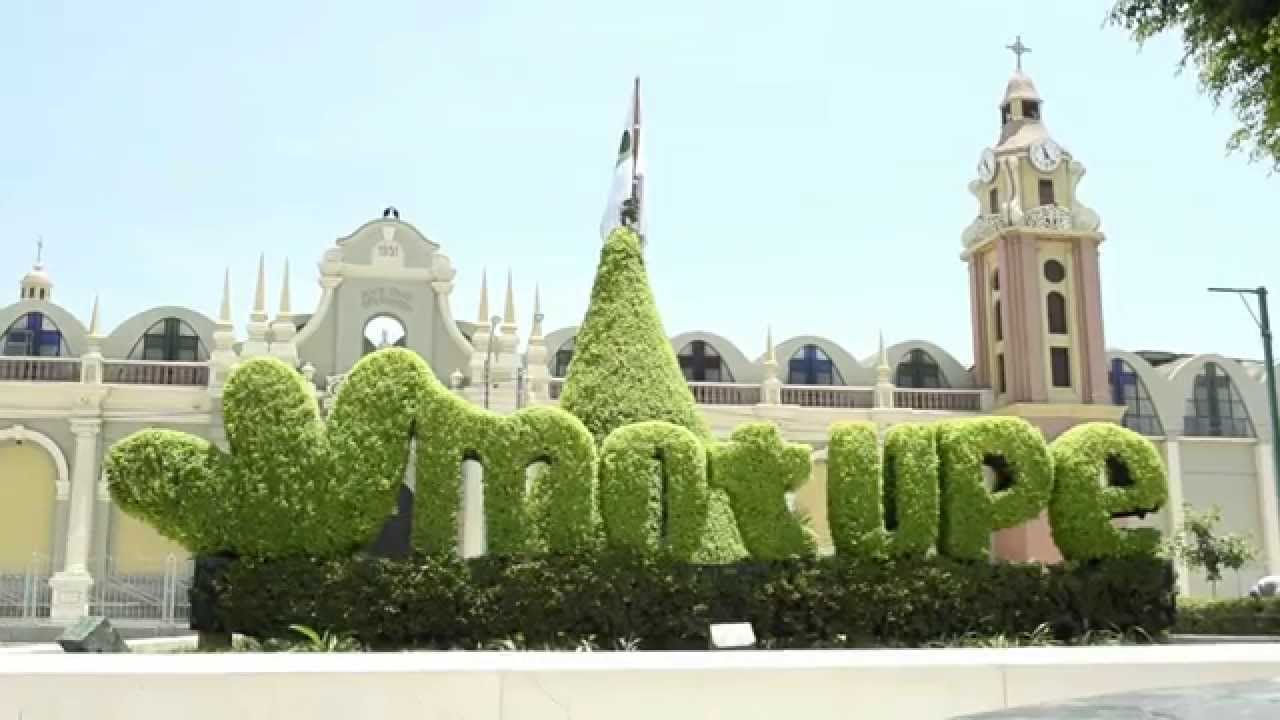
File:Motupe.jpg
reviewed modern context candidatePresent-day Motupe, Lambayeque. Commons labels the photograph 2 September 2022; modern buildings are not presented as structures encountered in 1532.
- Credit reported by Commons
- Municipalidad Distrital de Motupe.
- License reported by Commons
- CC BY-SA 4.0
- Image date metadata
- 2022-09-02
- Dimensions
- 1280 × 720
- Source
- Commons item record
Commons item date; capture date is not independently verified.
14 further image records · item links only
File:Catedral de Cajamarca des de la Plaza de Armas02.jpg
metadata checked context candidateCajamarca Cathedral viewed from Plaza de Armas, photographed on 18 January 2017. The modern square is geographic context, not a reconstruction of 1532.
- Credit reported by Commons
- Pitxiquin
- License reported by Commons
- CC BY-SA 4.0
- Image date metadata
- 2017-01-18 18:21:00
- Dimensions
- 3968 × 2976
- Source
- Commons item record
Commons item date; capture date is not independently verified.
File:Cuarto del Rescate - Linea límite del Rescate - Cajamarca.jpg
metadata checked context candidatePresent-day interior of the Cuarto del Rescate in Cajamarca, photographed on 9 September 2016. The visible marker is not independently verified evidence of an original sixteenth-century line.
- Credit reported by Commons
- Polmartin14+
- License reported by Commons
- CC BY-SA 4.0
- Image date metadata
- 2016-09-09 16:00:44
- Dimensions
- 2576 × 1932
- Source
- Commons item record
Commons item date; capture date is not independently verified.
File:Huamachuco- Plaza de Armas & Gallardete.jpg
rejected wrong placePresent-day Plaza de Armas in Huamachuco. Rejected as an illustration of the historical Huanca-pampa linked to Soto’s Caxas branch.
- Credit reported by Commons
- David Almeida from Lima, Peru
- License reported by Commons
- CC BY-SA 2.0
- Image date metadata
- 2009-11-19 23:04
- Dimensions
- 2592 × 1944
- Source
- Commons item record
Commons item date; capture date is not independently verified.
File:Hyowiki.jpg
rejected wrong placePresent-day Plaza Constitución in Huancayo. Rejected as an illustration of Huanca-pampa in the copied Caxas passage.
- Credit reported by Commons
- Jesushuaraz
- License reported by Commons
- CC BY-SA 4.0
- Image date metadata
- 2014-10-15
- Dimensions
- 2038 × 981
- Source
- Commons item record
Commons item date; capture date is not independently verified.
File:La Catedral, en Plaza de Armas del Cuzco - panoramio.jpg
metadata checked context candidateThe cathedral at Cusco’s Plaza de Armas, photographed on 27 January 2007. This is modern context; the colonial cathedral was not part of the city entered in 1533.
- Credit reported by Commons
- Jorge Manriquez P.
- License reported by Commons
- CC BY-SA 3.0
- Image date metadata
- Taken on 27 January 2007
- Dimensions
- 1536 × 2048
- Source
- Commons item record
Commons item date; capture date is not independently verified.
File:Pier of Pacasmayo.jpg
rejected wrong placePresent-day Pacasmayo pier. Rejected for Guamamayo/Guamanmayo, which belongs to the Hernando coastal branch near La Barranca.
- Credit reported by Commons
- Bernard Gagnon
- License reported by Commons
- CC BY-SA 3.0
- Image date metadata
- 2014-11-24
- Dimensions
- 4890 × 3298
- Source
- Commons item record
Commons item date; capture date is not independently verified.
File:Plaza de armas Jauja 01.jpg
metadata checked context candidatePlaza de Armas in present-day Jauja, photographed on 9 December 2024. This shows the modern city rather than proving the location or appearance of Inca Xauxa.
- Credit reported by Commons
- Ordzonhyd Rudyard Tarco Palomino
- License reported by Commons
- CC BY 4.0
- Image date metadata
- 2024-12-09 11:50:09
- Dimensions
- 4080 × 3072
- Source
- Commons item record
Commons item date; capture date is not independently verified.
File:Qhapaq ñan tumbes.jpg
metadata checked context candidatePresent-day archaeological remains at Cabeza de Vaca, Corrales, Tumbes. Commons records this photograph on 30 April 2019; it does not establish the exact 1532 landing location.
- Credit reported by Commons
- Qhapaq Ñan Perú
- License reported by Commons
- CC BY-SA 4.0
- Image date metadata
- 2019-04-30
- Dimensions
- 960 × 639
- Source
- Commons item record
Commons item date; capture date is not independently verified.
File:RIO JEQUETEPEQUE.jpg
metadata checked context candidateThe Jequetepeque River at Yatahual, according to the photographer’s description. Regional river context only; not a photograph identifying historical La Ramada.
- Credit reported by Commons
- Quicewi
- License reported by Commons
- CC BY-SA 3.0
- Image date metadata
- 2013-06-16 02:26:30
- Dimensions
- 640 × 480
- Source
- Commons item record
Commons item date; capture date is not independently verified.
File:Río Piura en Piura.jpg
metadata checked context candidateThe Río Piura and a bridge in present-day Piura. This regional context image does not identify the expedition’s exact valley campsite.
- Credit reported by Commons
- No machine-readable author provided. Alfredobi assumed (based on copyright claims).
- License reported by Commons
- Public domain
- Image date metadata
- 31 March 2006 (original upload date)
- Dimensions
- 2032 × 1354
- Source
- Commons item record
Commons item date; capture date is not independently verified.
File:Tangarara.jpg
metadata checked context candidatePresent-day square and commemorative monuments in Tangarará. The camera EXIF timestamp is 20 August 2008 at 17:54; its accuracy is not independently confirmed. This image is not evidence of the appearance of the 1532 settlement.
- Credit reported by Commons
- Henrywcl68
- License reported by Commons
- CC BY-SA 4.0
- Image date metadata
- 2008-08-20 17:54 (camera EXIF: generation and digitization)
- Dimensions
- 320 × 240
- Source
- Commons item record
Commons item date; capture date is not independently verified.
File:Tangarara 2.jpg
metadata checked context candidatePresent-day church and cross in Tangarará. The small photograph documents the modern place; no date or origin is asserted for the cross.
- Credit reported by Commons
- Henrywcl68
- License reported by Commons
- CC BY-SA 4.0
- Image date metadata
- unknown
- Dimensions
- 320 × 240
- Source
- Commons item record
Commons item date; capture date is not independently verified.
File:Vilcashuaman ruins and main plaza.jpg
metadata checked context candidateInca remains and the main plaza at Vilcashuamán, photographed on 3 June 2017. Conservation and later buildings must be distinguished from the sixteenth-century site.
- Credit reported by Commons
- Rodtru
- License reported by Commons
- CC BY-SA 4.0
- Image date metadata
- 2017-06-03 13:31:27
- Dimensions
- 2160 × 2160
- Source
- Commons item record
Commons item date; capture date is not independently verified.
File:Vista lejana del 'Acllawasi de Pachacamac' -2025-.jpg
metadata checked context candidateThe Acllawasi at Pachacamac in a photograph dated 2 November 2025. This present-day view is for the separate Hernando Pizarro branch; descriptions of historical women require independent sources.
- Credit reported by Commons
- Leonardo Mauricio Domínguez Chávez
- License reported by Commons
- CC0
- Image date metadata
- 2025-11-02 16:06:48
- Dimensions
- 3264 × 2448
- Source
- Commons item record
Commons item date; capture date is not independently verified.
The Motux research card
Seven Motux statements retain their independently reviewed wording. The wider itinerary and cultural contexts remain documented editorial proposals for discussion.
These 7 Motux statements passed a separate, scoped evidence review. Their wording is preserved here; that review does not certify every other stage or remove the gaps below.
Xerez reports that the Spaniards rested at Motux for four days.
Inspect supporting evidence
Translated participant account
The Spaniards rested at Motux for four days, and, during that time, the Governor saw some portion of the inhabited country belonging to the chief, which appeared to be extensive, and to include a fertile valley.
Francisco de Xerez: four-day rest at Motux · Francisco de Xerez; English translation by Clements R. Markham · Printed p. 32; PDF page 60/176
Source rights: PD-US-expired (historical text; see rights_basis)
Markham’s editorial footnote identifies Motux as a misprint for Motupe, citing Lorente, Zarate and Garcilasso.
Inspect supporting evidence
Translator’s later annotation
This is a misprint for Motupe, a rich and fertile valley. Lorente ' identifies it with Motupe. (Hist, del Peru, ii, p. 120.) Zarate gives the word correctly as Motupe, not Motux. (Zaraie, lib. n, cap. iii, p. 20.) It is the Mutupi of Garcilasso de la Vega, ii, p. 424.
Markham editorial footnote7: proposed Motux/Motupe identification · Clements R. Markham (editorial note) · Printed p. 32; PDF page 60/176; footnote 7
Source rights: PD-US-expired (historical text; see rights_basis)
The fixed Wikipedia reference describes Motupe as a Lambayeque town with about 17,000 residents in the 2017 census and gives modern reference coordinates −6.1517, −79.71485.
Inspect supporting evidence
Modern place reference
Motupe ist eine Stadt mit etwa 17.000 Einwohnern (Zensus 2017) in Nordwest- Peru in der Region Lambayeque . -6.1517 -79.71485
Motupe — fixed German Wikipedia revision 265887783 · Wikipedia contributors · Motupe article first description paragraph and infobox geo element
Source rights: CC BY-SA 4.0
Xerez dates the Governor’s San Miguel departure to 24 September 1532 and Caxamalca arrival to 15 November 1532.
Inspect supporting evidence
Translated participant account
The Governor departed from the city of San Miguel, 3 in search of Atabaliba, on the 24th of September, 1532, and
Francisco de Xerez: San Miguel departure date · Francisco de Xerez; English translation by Clements R. Markham · Printed p. 25; PDF page 53/176
Source rights: PD-US-expired (historical text; see rights_basis)
Translated participant account
The Governor arrived at this town of Caxa-I mulca on Friday, the 15th of November, 1532, at the hour of vespers.
Francisco de Xerez: Caxamalca arrival date · Francisco de Xerez; English translation by Clements R. Markham · Printed p. 44; PDF page 72/176
Source rights: PD-US-expired (historical text; see rights_basis)
Xerez’s coastal-road account describes women’s ground-length robes, compared with Castilian dresses, and men’s short shirts.
Inspect supporting evidence
Translated participant account
On this road all the people have the same manner of living. The women wear a long robe which reaches to the ground, like the dresses of women in Castille. The men have short shirts.
Francisco de Xerez: coastal-road clothing description · Francisco de Xerez; English translation by Clements R. Markham · Printed p. 32; PDF page 60/176
Source rights: PD-US-expired (historical text; see rights_basis)
The Commons description identifies a Motupe image, credits Municipalidad Distrital de Motupe, and labels its date 2 September 2022.
Inspect supporting evidence
Image-item metadata
Description Motupe.jpg Español: Ciudad de Motupe. Date 2 September 2022 Source https://web.facebook.com/MunicipalidadDeMotupe Author Municipalidad Distrital de Motupe. This file is licensed under the Creative Commons Attribution-Share Alike 4.0 International license. You are free: to share – to copy, distribute and transmit the work to remix – to adapt the work Under the following conditions: attribution – You must give appropriate
Motupe.jpg — Commons description and licensing record · Municipalidad Distrital de Motupe. (image author stated by Commons); Commons contributors (description) · File description Information table, licence template and file history; original1280×720
Source rights: CC BY-SA 4.0 (description and declared image licence)
Image-item metadata
credit, provide a link to the license, and indicate if changes were made. You may do so in any reasonable manner, but not in any way that suggests the licensor endorses you or your use. share alike – If you remix, transform, or build upon the material, you must distribute your contributions under the same or compatible license as the
Motupe.jpg — Commons description and licensing record · Municipalidad Distrital de Motupe. (image author stated by Commons); Commons contributors (description) · File description Information table, licence template and file history; original1280×720
Source rights: CC BY-SA 4.0 (description and declared image licence)
Image-item metadata
original. https://creativecommons.org/licenses/by-sa/4.0 CC BY-SA 4.0 Creative Commons Attribution-Share Alike 4.0 true true
Motupe.jpg — Commons description and licensing record · Municipalidad Distrital de Motupe. (image author stated by Commons); Commons contributors (description) · File description Information table, licence template and file history; original1280×720
Source rights: CC BY-SA 4.0 (description and declared image licence)
Image-item metadata
Municipalidad Distrital de Motupe. (image author stated by Commons); Commons contributors (description)
Motupe.jpg — Commons description and licensing record · Municipalidad Distrital de Motupe. (image author stated by Commons); Commons contributors (description) · File description Information table, licence template and file history; original1280×720
Source rights: CC BY-SA 4.0 (description and declared image licence)
The supplied record scopes Klaus’s study to Mórrope in 1536–1750; consultation covered the publisher bibliography and abstract, rather than the full article.
Inspect supporting evidence
Study metadata
Regional and later context: Mórrope in Lambayeque,1536–1750; publisher abstract describes integration of ethnohistory, archaeology and bioarchaeology to investigate health,diet,activity and burial/identity. Another community and later period; does not identify Motux inhabitants in1532.
Vida y muerte en el Perú colonial: inicios de la bioarqueología en Lambayeque histórico (1536–1750 d.C.) · DOI10.18800/boletindearqueologiapucp.201601.006; Boletín de Arqueología PUCP20,pp.103–128 (bibliographic extent, not passage verification)
Source rights: Bibliographic metadata and original scope note; publisher text remains link-only.
Study metadata
Official publisher bibliographic record and abstract consulted2026-10-08,HTTP200. Full article not consulted or ingested; abstract scope and methods only, not independently verified results. Publisher is outside the corpus whitelist; link and bibliographic metadata only.
Vida y muerte en el Perú colonial: inicios de la bioarqueología en Lambayeque histórico (1536–1750 d.C.) · DOI10.18800/boletindearqueologiapucp.201601.006; Boletín de Arqueología PUCP20,pp.103–128 (bibliographic extent, not passage verification)
Source rights: Bibliographic metadata and original scope note; publisher text remains link-only.
Subsequent photograph check
2026-10-23
Earlier original/thumbnail requests returned HTTP429/403. In the supervised 2026-10-23 Europe/Rome trial, one fresh metadata request and one original-image request succeeded (HTTP200); the retrieved JPEG matches the Commons-reported SHA1 and has been visually inspected. It supports modern-place context only. Exact capture date, camera GPS, independent rights-holder confirmation and correspondence with the historic Motux camp remain unverified.
Related scholarship: Vida y muerte en el Perú colonial: inicios de la bioarqueología en Lambayeque histórico (1536–1750 d.C.)
Review & remaining work
Two bounded tasks have independent reviews: a documented arrival-date gap and a modern photo candidate. Six tasks await work and two depend on an editorial scope decision. No section or journey is certified complete.
- Seven Motux editorial statements: exact reviewed wording and selected evidence retained.
- Ten-event core and supplemental source index: independently checked private proposal, now exposed as a research proposal.
- Journey v2: a reviewed date gap and a reviewed modern image candidate; task status is not section completeness.
- Current user authorization covers publication of this research edition for discussion, not canonical atlas replacement or historical certification.
- The original private snapshots and their approval flags are preserved; current visibility authorization is a separate publication decision.
How the 17 published rows relate to the research
The original row identities remain visible for comparison. Proposed corrections and branches have not silently rewritten the published route.
| Row | Place | Assessment | Proposed action |
|---|---|---|---|
| 1 | San Miguel | legacy requires research
| correct |
| 2 | Tumbez | legacy requires research
| correct |
| 3 | the Piura valley | legacy requires research
| correct |
| 4 | Motux | legacy requires research
| correct |
| 5 | Motux | legacy requires research
| merge-into-seq4 |
| 6 | Guamamayo | legacy requires research
| move-to-explicit-branch |
| 7 | La Ramada | legacy requires research
| correct |
| 8 | Caxas | legacy requires research
| move-to-explicit-branch |
| 9 | Huanca-pampa | legacy requires research
| move-to-explicit-branch |
| 10 | Caxamalca | legacy requires research
| correct |
| 11 | Caxamalca | legacy requires research
| retain-as-city-event |
| 12 | Pachacama | legacy requires research
| move-to-explicit-branch |
| 13 | Xauxa | legacy requires research
| correct |
| 14 | Huanca-pampa | legacy requires research
| replace-with-regional-passage |
| 15 | Vilcas | legacy requires research
| correct |
| 16 | Cuzco | legacy requires research
| correct |
| 17 | San Miguel | legacy requires research
| move-to-explicit-branch |
Open the research board · every waypoint and its remaining questions
Task counts describe work records, not historical completeness. 6 ready for research; 1 documented gap; 1 independently reviewed task; 2 work blocked.
Pizarro 1532–1533: scope and branches awaiting editorial decision · journey-wide research
- Scope
- Research to do
No section-wide approval or completeness determination.
- Itinerary
- Materials collected
No section-wide approval or completeness determination.
- Chronology
- Materials collected
No section-wide approval or completeness determination.
- Sources
- Materials collected
No section-wide approval or completeness determination.
- People and cultural context
- Materials collected
No section-wide approval or completeness determination.
- Images
- Materials collected
No section-wide approval or completeness determination.
- Narrative
- Research not started
No section-wide approval or completeness determination.
- Review and open questions
- Materials collected
No section-wide approval or completeness determination.
Record one editorial decision defining the main journey and treatment of side expeditions.
Ready for researchScope & questions
San Miguel (legacy row 1)
- Scope
- Research not started
Legacy atlas content requires scoped research and review.
- Itinerary
- Research to do
Legacy atlas content requires scoped research and review.
- Chronology
- Materials collected
Legacy atlas content requires scoped research and review.
- Sources
- Materials collected
Legacy atlas content requires scoped research and review.
- People and cultural context
- Materials collected
Legacy atlas content requires scoped research and review.
- Images
- Materials collected
Legacy atlas content requires scoped research and review.
- Narrative
- Research not started
Legacy atlas content requires scoped research and review.
- Review and open questions
- Research not started
Legacy atlas content requires scoped research and review.
Assess one proposed modern Tangarara reference point and its distinction from the historical settlement site.
Ready for researchItinerary & branches
Tumbez (legacy row 2)
- Scope
- Research not started
Legacy atlas content requires scoped research and review.
- Itinerary
- Materials collected
Legacy atlas content requires scoped research and review.
- Chronology
- Materials collected
Legacy atlas content requires scoped research and review.
- Sources
- Materials collected
Legacy atlas content requires scoped research and review.
- People and cultural context
- Materials collected
Legacy atlas content requires scoped research and review.
- Images
- Materials collected
Legacy atlas content requires scoped research and review.
- Narrative
- Research not started
Legacy atlas content requires scoped research and review.
- Review and open questions
- Research not started
Legacy atlas content requires scoped research and review.
the Piura valley (legacy row 3)
- Scope
- Research not started
Legacy atlas content requires scoped research and review.
- Itinerary
- Materials collected
Legacy atlas content requires scoped research and review.
- Chronology
- Materials collected
Legacy atlas content requires scoped research and review.
- Sources
- Materials collected
Legacy atlas content requires scoped research and review.
- People and cultural context
- Materials collected
Legacy atlas content requires scoped research and review.
- Images
- Materials collected
Legacy atlas content requires scoped research and review.
- Narrative
- Research not started
Legacy atlas content requires scoped research and review.
- Review and open questions
- Research not started
Legacy atlas content requires scoped research and review.
Motux (legacy row 4)
- Scope
- Research not started
Legacy atlas content requires scoped research and review.
- Itinerary
- Research to do
Existing reviewed Motux material is available; review applies to selected atoms and retained limits only. New tasks still need their own result/review receipts.
- Chronology
- Reviewed with gaps
Existing reviewed Motux material is available; review applies to selected atoms and retained limits only. New tasks still need their own result/review receipts.
- Sources
- Materials collected
Existing reviewed Motux material is available; review applies to selected atoms and retained limits only. New tasks still need their own result/review receipts.
- People and cultural context
- Research to do
Existing reviewed Motux material is available; review applies to selected atoms and retained limits only. New tasks still need their own result/review receipts.
- Images
- Scoped task results reviewed
One modern-context candidate retrieved and visually inspected in the supervised trial; task review and remaining gap limits must be read separately from section completeness.
- Narrative
- Materials collected
Existing reviewed Motux material is available; review applies to selected atoms and retained limits only. New tasks still need their own result/review receipts.
- Review and open questions
- Materials collected
Existing reviewed Motux material is available; review applies to selected atoms and retained limits only. New tasks still need their own result/review receipts.
Propose one mapping decision for legacy Motux rows 4 and 5; preserve both original identities.
Ready for researchItinerary & branches
Determine whether one supplied Motux passage establishes an exact arrival date or only a duration.
Documented gapDates & uncertainty
Verify the one existing Motupe photograph candidate through its fixed official Commons metadata record and, only if the recorded license permits, the returned original asset. No alternative image search.
Independently reviewed taskImages & rights
Assess one Mórrope bibliography record for its actual consultation level and relevance to Motux.
Ready for researchPeople & cultural context
Motux (legacy row 5)
- Scope
- Research not started
Legacy atlas content requires scoped research and review.
- Itinerary
- Materials collected
Legacy atlas content requires scoped research and review.
- Chronology
- Materials collected
Legacy atlas content requires scoped research and review.
- Sources
- Materials collected
Legacy atlas content requires scoped research and review.
- People and cultural context
- Materials collected
Legacy atlas content requires scoped research and review.
- Images
- Materials collected
Legacy atlas content requires scoped research and review.
- Narrative
- Research not started
Legacy atlas content requires scoped research and review.
- Review and open questions
- Research not started
Legacy atlas content requires scoped research and review.
Guamamayo (legacy row 6)
- Scope
- Research not started
Legacy atlas content requires scoped research and review.
- Itinerary
- Materials collected
Legacy atlas content requires scoped research and review.
- Chronology
- Materials collected
Legacy atlas content requires scoped research and review.
- Sources
- Materials collected
Legacy atlas content requires scoped research and review.
- People and cultural context
- Materials collected
Legacy atlas content requires scoped research and review.
- Images
- Materials collected
Legacy atlas content requires scoped research and review.
- Narrative
- Research not started
Legacy atlas content requires scoped research and review.
- Review and open questions
- Research not started
Legacy atlas content requires scoped research and review.
La Ramada (legacy row 7)
- Scope
- Research not started
Legacy atlas content requires scoped research and review.
- Itinerary
- Work blocked
Legacy atlas content requires scoped research and review.
- Chronology
- Materials collected
Legacy atlas content requires scoped research and review.
- Sources
- Materials collected
Legacy atlas content requires scoped research and review.
- People and cultural context
- Materials collected
Legacy atlas content requires scoped research and review.
- Images
- Materials collected
Legacy atlas content requires scoped research and review.
- Narrative
- Research not started
Legacy atlas content requires scoped research and review.
- Review and open questions
- Research not started
Legacy atlas content requires scoped research and review.
Assess one La Ramada location proposal, leaving a historical point unassigned when unsupported.
Work blockedItinerary & branches
Caxas (legacy row 8)
- Scope
- Research not started
Legacy atlas content requires scoped research and review.
- Itinerary
- Work blocked
Legacy atlas content requires scoped research and review.
- Chronology
- Materials collected
Legacy atlas content requires scoped research and review.
- Sources
- Materials collected
Legacy atlas content requires scoped research and review.
- People and cultural context
- Materials collected
Legacy atlas content requires scoped research and review.
- Images
- Materials collected
Legacy atlas content requires scoped research and review.
- Narrative
- Research not started
Legacy atlas content requires scoped research and review.
- Review and open questions
- Research not started
Legacy atlas content requires scoped research and review.
Prepare one route-actor attribution for the Caxas record as a proposed branch.
Work blockedItinerary & branches
Huanca-pampa (legacy row 9)
- Scope
- Research not started
Legacy atlas content requires scoped research and review.
- Itinerary
- Materials collected
Legacy atlas content requires scoped research and review.
- Chronology
- Materials collected
Legacy atlas content requires scoped research and review.
- Sources
- Materials collected
Legacy atlas content requires scoped research and review.
- People and cultural context
- Materials collected
Legacy atlas content requires scoped research and review.
- Images
- Materials collected
Legacy atlas content requires scoped research and review.
- Narrative
- Research not started
Legacy atlas content requires scoped research and review.
- Review and open questions
- Research not started
Legacy atlas content requires scoped research and review.
Caxamalca (legacy row 10)
- Scope
- Research not started
Legacy atlas content requires scoped research and review.
- Itinerary
- Materials collected
Legacy atlas content requires scoped research and review.
- Chronology
- Research to do
Legacy atlas content requires scoped research and review.
- Sources
- Materials collected
Legacy atlas content requires scoped research and review.
- People and cultural context
- Materials collected
Legacy atlas content requires scoped research and review.
- Images
- Materials collected
Legacy atlas content requires scoped research and review.
- Narrative
- Research not started
Legacy atlas content requires scoped research and review.
- Review and open questions
- Research not started
Legacy atlas content requires scoped research and review.
Prepare one attributed date proposal from the arrival passage already identified by the route audit.
Ready for researchDates & uncertainty
Caxamalca (legacy row 11)
- Scope
- Research not started
Legacy atlas content requires scoped research and review.
- Itinerary
- Materials collected
Legacy atlas content requires scoped research and review.
- Chronology
- Materials collected
Legacy atlas content requires scoped research and review.
- Sources
- Materials collected
Legacy atlas content requires scoped research and review.
- People and cultural context
- Materials collected
Legacy atlas content requires scoped research and review.
- Images
- Materials collected
Legacy atlas content requires scoped research and review.
- Narrative
- Research not started
Legacy atlas content requires scoped research and review.
- Review and open questions
- Research not started
Legacy atlas content requires scoped research and review.
Pachacama (legacy row 12)
- Scope
- Research not started
Legacy atlas content requires scoped research and review.
- Itinerary
- Materials collected
Legacy atlas content requires scoped research and review.
- Chronology
- Materials collected
Legacy atlas content requires scoped research and review.
- Sources
- Materials collected
Legacy atlas content requires scoped research and review.
- People and cultural context
- Materials collected
Legacy atlas content requires scoped research and review.
- Images
- Materials collected
Legacy atlas content requires scoped research and review.
- Narrative
- Research not started
Legacy atlas content requires scoped research and review.
- Review and open questions
- Research not started
Legacy atlas content requires scoped research and review.
Xauxa (legacy row 13)
- Scope
- Research not started
Legacy atlas content requires scoped research and review.
- Itinerary
- Materials collected
Legacy atlas content requires scoped research and review.
- Chronology
- Materials collected
Legacy atlas content requires scoped research and review.
- Sources
- Materials collected
Legacy atlas content requires scoped research and review.
- People and cultural context
- Materials collected
Legacy atlas content requires scoped research and review.
- Images
- Materials collected
Legacy atlas content requires scoped research and review.
- Narrative
- Research not started
Legacy atlas content requires scoped research and review.
- Review and open questions
- Research not started
Legacy atlas content requires scoped research and review.
Huanca-pampa (legacy row 14)
- Scope
- Research not started
Legacy atlas content requires scoped research and review.
- Itinerary
- Materials collected
Legacy atlas content requires scoped research and review.
- Chronology
- Materials collected
Legacy atlas content requires scoped research and review.
- Sources
- Materials collected
Legacy atlas content requires scoped research and review.
- People and cultural context
- Materials collected
Legacy atlas content requires scoped research and review.
- Images
- Materials collected
Legacy atlas content requires scoped research and review.
- Narrative
- Research not started
Legacy atlas content requires scoped research and review.
- Review and open questions
- Research not started
Legacy atlas content requires scoped research and review.
Vilcas (legacy row 15)
- Scope
- Research not started
Legacy atlas content requires scoped research and review.
- Itinerary
- Materials collected
Legacy atlas content requires scoped research and review.
- Chronology
- Materials collected
Legacy atlas content requires scoped research and review.
- Sources
- Research to do
Legacy atlas content requires scoped research and review.
- People and cultural context
- Materials collected
Legacy atlas content requires scoped research and review.
- Images
- Materials collected
Legacy atlas content requires scoped research and review.
- Narrative
- Research not started
Legacy atlas content requires scoped research and review.
- Review and open questions
- Research not started
Legacy atlas content requires scoped research and review.
Identify the narrator/editorial voice behind one Bilcas–Vilcas identification in the supplied audit.
Ready for researchSources & testimony
Cuzco (legacy row 16)
- Scope
- Research not started
Legacy atlas content requires scoped research and review.
- Itinerary
- Materials collected
Legacy atlas content requires scoped research and review.
- Chronology
- Materials collected
Legacy atlas content requires scoped research and review.
- Sources
- Materials collected
Legacy atlas content requires scoped research and review.
- People and cultural context
- Materials collected
Legacy atlas content requires scoped research and review.
- Images
- Materials collected
Legacy atlas content requires scoped research and review.
- Narrative
- Research not started
Legacy atlas content requires scoped research and review.
- Review and open questions
- Research not started
Legacy atlas content requires scoped research and review.
San Miguel (legacy row 17)
- Scope
- Research not started
Legacy atlas content requires scoped research and review.
- Itinerary
- Materials collected
Legacy atlas content requires scoped research and review.
- Chronology
- Materials collected
Legacy atlas content requires scoped research and review.
- Sources
- Materials collected
Legacy atlas content requires scoped research and review.
- People and cultural context
- Materials collected
Legacy atlas content requires scoped research and review.
- Images
- Materials collected
Legacy atlas content requires scoped research and review.
- Narrative
- Research not started
Legacy atlas content requires scoped research and review.
- Review and open questions
- Research not started
Legacy atlas content requires scoped research and review.